 Dr. Catherine Reed3 min read
Large residential renovations produce massive volumes of debris that can quickly overwhelm a property if not managed strategically. Without a structured plan, accumulated waste slows down contractors, inflates disposal expenses, and poses serious safety hazards for homeowners and workers alike. Implementing proactive waste management tactics ensures that the construction site remains organized, workflows run smoothly, and disposal budgets stay strictly under control.
Plan Debris Logistics Before Demolition Begins
Successful waste management starts well before the first wall comes down. Property owners must calculate anticipated waste volume based on the specific areas undergoing remodeling. Structural tear-outs, kitchen overhauls, and flooring removals generate distinct types of heavy and bulky materials that require tailored handling.
Establishing clear debris pathways prevents bottlenecks on site. Decide in advance where workers will stage materials and how trash moves from upper floors to the ground level. Setting up designated collection zones keeps high-traffic walkways clear and prevents project delays. When coordinating specialized local hauling services, choosing an experienced provider like a reliable uxbridge skip hire service guarantees that waste removal schedules align seamlessly with demolition milestones.
Separate Salvageable Building Materials on Site
Throwing all demolition debris into a single container is one of the most expensive mistakes a homeowner can make. Mixed waste incurs higher processing fees at local transfer stations. By setting up distinct sorting stations, you divert valuable items away from landfills and significantly reduce tipping fees.
- Scrap Metal: Copper piping, brass fixtures, and aluminum frames can often be sold directly to local scrap yards.
- Architectural Elements: Solid wood doors, antique hardware, and undamaged cabinetry can be donated to salvage charities or reused in future projects.
- Clean Masonry: Bricks, concrete chunks, and tiles can frequently be crushed and repurposed as foundation aggregate or landscaping fill.
Sorting items immediately as they are removed prevents double-handling and keeps the workspace clean and efficient.
Select Proper Dumpster Sizes for Renovation Phases
Large home renovations typically progress through distinct phases, each generating different types of waste. Instead of keeping an oversized container on site for months, scheduling phased roll-off rentals according to project milestones is far more economical. Heavy masonry, tile, and drywall demand smaller, reinforced bins to stay within legal weight limits, while subsequent finish carpentry produces lighter, bulkier trash suited for larger containers.
For projects divided across multiple construction stages, booking a dedicated wembley skip hire allows property owners to swap containers exactly when one phase concludes and the next begins. Phased scheduling prevents bins from sitting idle, avoids overfilling penalties, and optimizes rental expenses throughout the build.
Ensure Safe Neighborhood Placement and Compliance
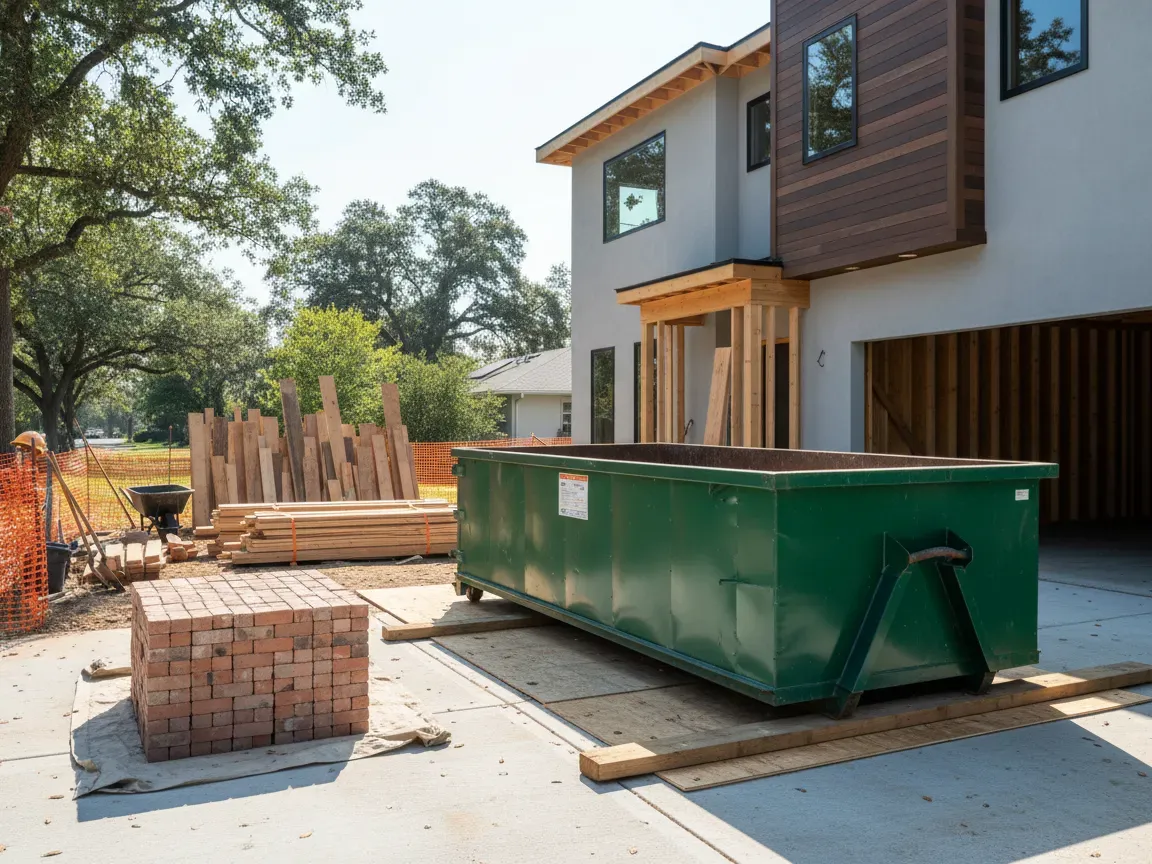
Container placement requires careful planning to maintain neighborhood safety and avoid municipal fines. Driveways must be protected from heavy haulers by laying down thick plywood boards under the container wheels. This simple precaution prevents asphalt cracking and driveway gouging.
If the container must sit on a public street, check local municipal regulations regarding permits, nighttime safety lights, and reflective markers. Ensuring the container never blocks visibility at intersections, covers utility access points, or obstructs pedestrian sidewalks maintains goodwill with neighbors and keeps the entire renovation compliant with local safety codes.