 Chloe Anderson5 min read
The loss of four beluga whales only weeks after their relocation from a troubled Canadian marine facility has ignited a contentious debate among marine mammal specialists. While rescue operations aim to provide better welfare, moving animals that have suffered years of poor conditions carries severe, sometimes fatal risks. Evaluating what went wrong requires examining both the chronic health burdens the animals already carried and the physical toll exacted by long-distance transport.
The Fatal Aftermath of the Marineland Beluga Evacuation
When rescue teams organized the transfer of belugas from the deteriorating Marineland facility in Ontario, the effort was framed as a humanitarian intervention. The destination promised modernized veterinary support and cleaner habitats.
Instead, the operation ended in tragedy. Within weeks of reaching their new enclosures, four of the relocated whales passed away. Necropsies and veterinary records quickly revealed that the animals suffered rapid physiological collapse rather than a sudden, single point of injury. The unexpected outcome shocked advocates and highlighted the precarious nature of emergency marine wildlife extractions.
Inside the Dire Health Conditions at the Defunct Facility
The root of the vulnerability stretched back long before the transport crates were lifted. The facility had accumulated years of documented animal welfare concerns, ranging from poor water filtration systems to chronic staffing shortages.
Living in suboptimal tanks leads to continuous exposure to environmental stressors. For cetaceans, poor water quality can trigger persistent skin infections, eye irritation, and chronic respiratory inflammation. Furthermore, prolonged confinement in compromised spaces often results in hidden internal damage:
- Weakened immune defenses caused by sustained cortisol elevation
- Undetected bacterial or fungal infections in the lungs
- Muscle atrophy and poor metabolic reserves from lack of deep-water swimming
- Severe nutritional deficiencies linked to erratic feeding routines
By the time the evacuation was approved, the belugas were not simply captive animals needing a new home. They were critically compromised patients surviving on marginal physiological reserves.
How Transport Stress Devastates Captive Cetacean Physiology?
Transporting a cetacean is an inherently traumatic medical procedure. Unlike land mammals, whales rely on water displacement to support their body mass. Removing a multi-ton whale from the water subjects its internal organs to immense gravitational pressure.
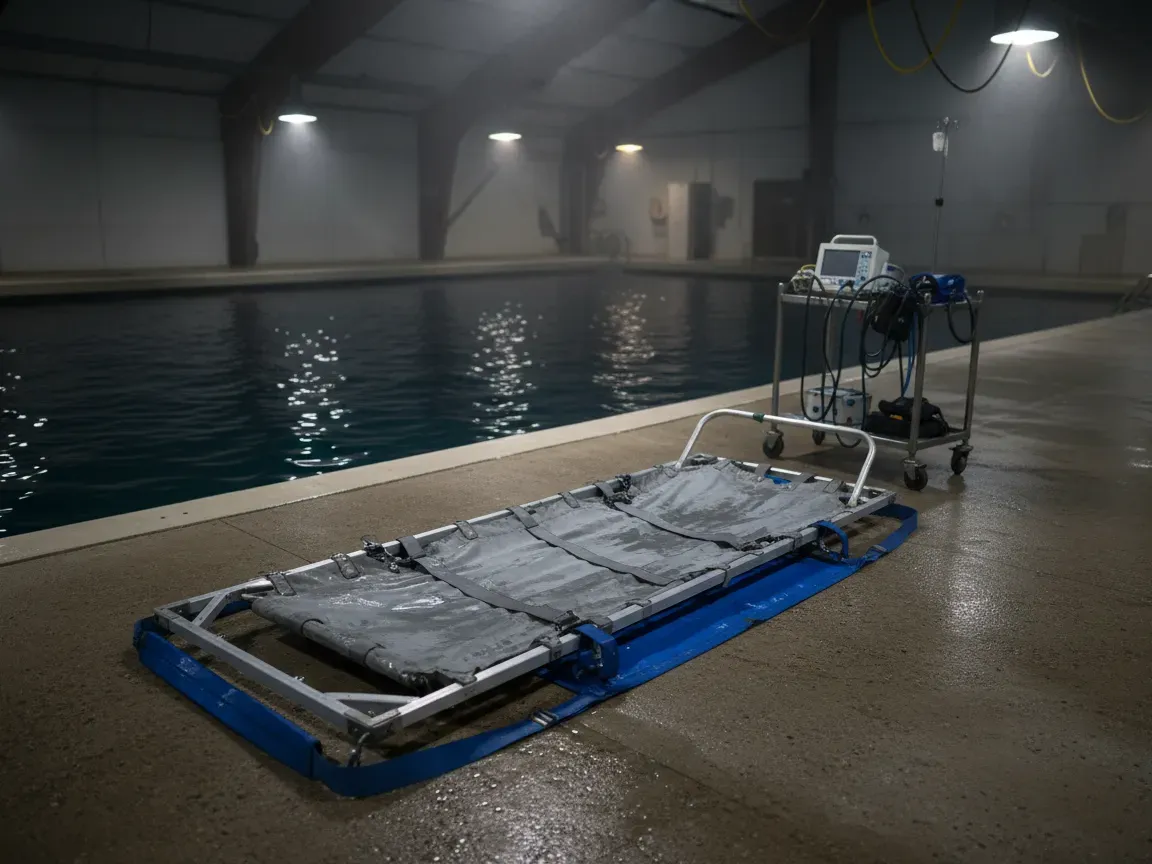
During transport, whales are suspended in specialized slings or placed in padded transport containers with damp skins. The immediate physiological consequences include:
- Compromised respiration, as body weight restricts chest expansion
- Impaired circulation, raising the risk of localized tissue necrosis and blood clots
- Dangerous spikes in body temperature due to disrupted thermoregulation
- Severe acute stress responses, flooding the bloodstream with catecholamines
For a healthy whale, these stressors are difficult but survivable. For animals with subclinical lung disease or exhausted adrenal systems, the stress of an airplane or truck journey can trigger organ failure and systemic collapse shortly after arrival.
Were the Rescued Animals Already Beyond Medical Help?
The core question raised by marine veterinarians is whether these four belugas had already crossed a point of no return. In captive management, animals often mask symptoms until an illness is far advanced.
Diagnostic imaging and blood panels before departure may not fully capture the degree of internal organ exhaustion. When an animal suffers from multi-systemic weakness, the metabolic cost of adapting to a new environment, new water chemistry, and unfamiliar acoustic surroundings depletes whatever energy remains. The rescue teams faced an excruciating reality where moving the animals introduced deadly stress, but leaving them in a failing facility guaranteed continued decline.
Palliative Care Versus Evacuation for Fragile Captive Wildlife
This tragedy forces the conservation community to reconsider the balance between immediate evacuation and on-site stabilization. In conventional veterinary medicine, critically unstable patients are never transported until their vital signs stabilize.
In marine park rescues, however, on-site infrastructure is often so degraded that stabilization is impossible. This leaves caregivers with an ethical impasse:
- Attempt high-risk relocation to deliver specialized intensive care elsewhere
- Provide on-site palliative care in a substandard setting to avoid acute travel shock
- Accept humane euthanasia when diagnostic workups indicate that recovery is unattainable
Choosing relocation often stems from hope, but treating fragile animals on site, even in imperfect enclosures, might sometimes offer a better chance of survival than the physical shock of an evacuation journey.
How Can Future Marine Sanctuaries Prevent Transfer Tragedies?
Avoiding similar outcomes requires systemic changes to how marine mammal extractions are evaluated and executed. Independent veterinary panels must have the authority to halt relocations if an animal’s baseline biomarkers indicate acute risk. Establishing standardized pre-transport criteria, investing in mobile veterinary units that can treat animals within their existing pools, and extending stabilization timelines are critical steps toward preventing future losses during high-profile rescues.
Rethinking the Limits of Emergency Cetacean Relocation
The loss of these four belugas demonstrates that good intentions cannot counteract profound biological depletion. Transporting large marine mammals requires robust physiological resilience, an attribute that neglected animals simply do not possess. Moving an animal out of a bad environment is only a victory if the patient survives the journey and the adjustment period that follows.
Future welfare campaigns must acknowledge that emergency relocation is not a universal remedy. When dealing with decades of systemic neglect, the safest path forward may require stabilizing animals where they are or preparing specialized temporary care units before attempting any long-distance travel. Real rescue work requires matching compassionate goals with the hard physiological limits of the animals being saved.