 Chloe Anderson3 min read
How to Create a Vibrant Bee-Friendly Garden That Supports Pollinators
Bees are indispensable allies in maintaining a healthy ecosystem and ensuring the pollination of plants vital to our food supply and biodiversity. By designing a garden that welcomes and nurtures bees, you play a crucial role in protecting these hardworking pollinators and supporting environmental balance. With thoughtful plant choices and habitat creation, your garden can become a thriving sanctuary for bees.
Why Bees Matter and How You Can Help Them Thrive
The Critical Role of Bees in Our World
Bees aren’t just buzzing insects—they’re the backbone of pollination for countless crops and wild plants. Without bees, our diets would lose diversity, and food availability would face serious challenges. Sadly, bees are increasingly threatened by habitat loss from urban sprawl, intensive agriculture, and harmful pesticides that jeopardize their survival.
Essential Ingredients for a Bee-Friendly Garden
To support a flourishing bee population, your garden needs to provide:
- Abundant Food Sources: Bees depend on a rich variety of nectar and pollen to fuel their colonies and reproduce.
- Accessible Water: A shallow, clean water source helps bees stay hydrated and healthy.
- Safe Shelter: Many solitary bees need nesting spots like bee hotels or undisturbed soil to raise their young.
Choosing Plants That Buzz With Life
Top Plants to Attract Bees Year-Round
Planting a diverse mix of flowers that bloom throughout the seasons ensures bees always have food. Consider these favorites:
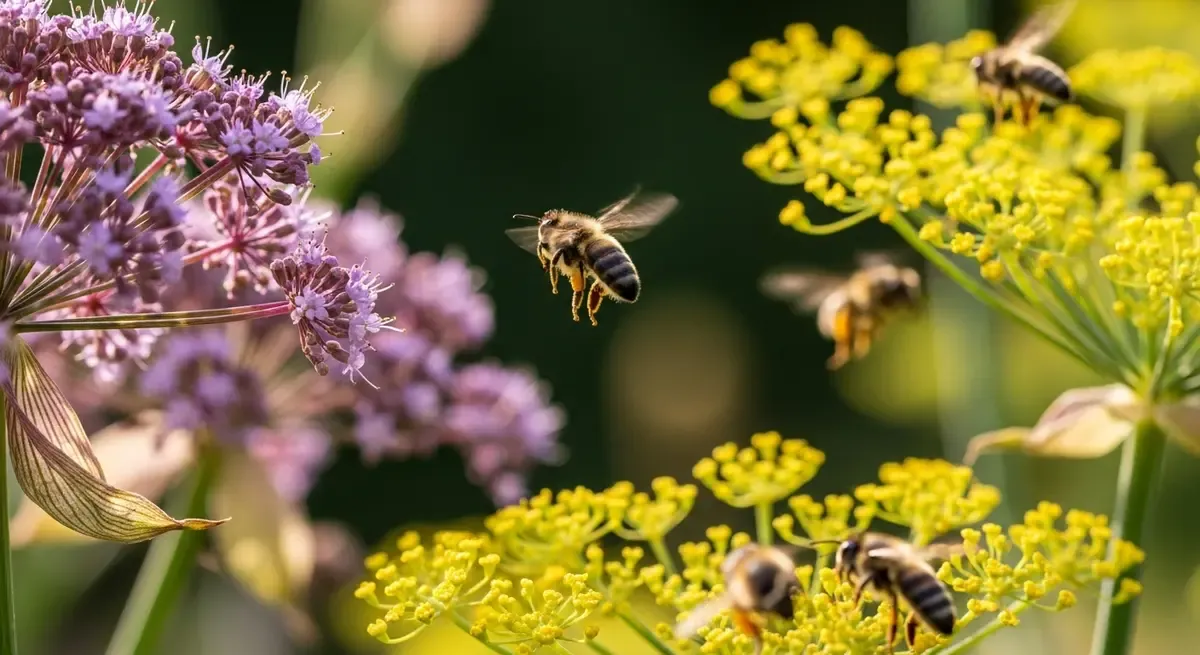
- Spring: Angelica and native wildflowers burst with early nectar.
- Summer: Fennel and fragrant herbs like marjoram, chives, and sage provide continuous blooms.
- Autumn: Late-blooming wildflowers keep bees nourished as the season winds down.
- Winter: Evergreens offer shelter and refuge during colder months.
Why Native Plants Are Your Garden’s Best Friends
Native plants thrive naturally in your area, requiring less care while offering the exact nectar and pollen local bees rely on. Incorporating them into your garden supports bee health and biodiversity more effectively than non-native species.
Keep Your Garden Chemical-Free
Protect bees by avoiding pesticides and chemicals. Embracing organic gardening practices creates a safe haven where pollinators can forage and flourish without risk.
Designing a Buzz-Worthy Habitat
Build Homes for Solitary Bees
Setting up bee hotels provides essential nesting sites for solitary bees, which don’t live in hives. These simple structures can dramatically boost local bee populations by giving them a safe place to raise their young.
Wildflower Patches: Nature’s Buffet
Creating patches of wildflowers not only beautifies your garden but also attracts a variety of pollinators, enhancing overall biodiversity.
Planting at the Perfect Time
Timing is everything when sowing wildflower seeds. The best windows are early autumn (September to October) or spring, using about 3/4 teaspoon of seed per square meter for optimal coverage and growth.
Ongoing Care and Community Action for Bees
Seasonal Tips to Keep Your Garden Buzzing
Keep your garden thriving throughout the year by:
- Ensuring flowering plants receive proper care each season.
- Maintaining accessible, fresh water sources.
Consistent attention helps sustain healthy bee populations over time.
Join the Movement: Community and Education
Bee conservation flourishes when communities come together. Participate in or organize local gardening projects and educational workshops to spread awareness and inspire collective action.
Your Garden Can Make a Difference for Pollinators
Creating a bee-friendly garden isn’t just about beautifying your outdoor space—it’s a meaningful way to support vital pollinators and enrich biodiversity. By following these practical tips, you can cultivate a lively, sustainable habitat that benefits bees and the environment alike.
We’d love to hear about your bee-friendly gardening adventures! Share your stories or questions in the comments below. Consider exploring local nurseries or trusted online sources to find bee-friendly plants and seeds, and join us in fostering a thriving world for our essential pollinators!